The reliability of industrial refrigeration equipment depends not only on the service life of the compressor or the quality of individual components. It also depends on how well the characteristics of the unit match the calculated load, operating conditions, and operating mode of the facility. Errors in equipment selection, installation, or control system configuration can reduce the service life even of properly designed equipment.
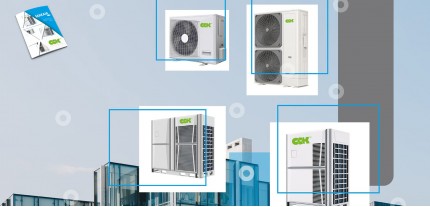
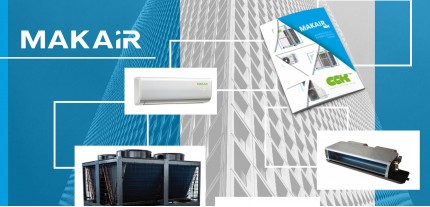
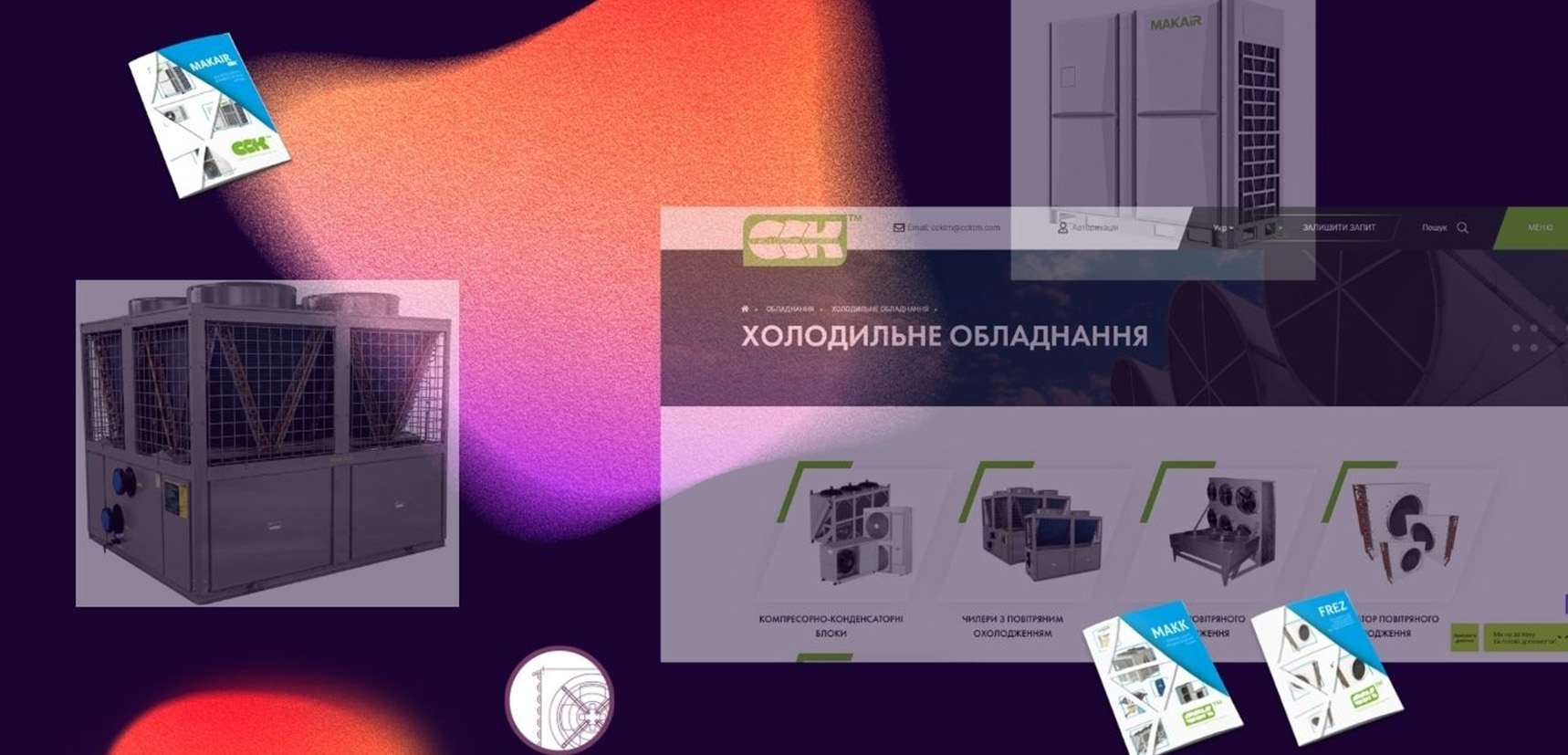
The CCK TM refrigeration equipment range includes condensing units, air-cooled chillers, modular refrigeration units, and air-cooled condensers. These solutions perform different functions, so it is incorrect to evaluate them solely by their nominal cooling capacity.
Industrial refrigeration equipment comprises systems and units designed to remove heat and maintain a specified temperature range in technological processes, cold storage rooms, and industrial facilities. |
What Determines the Reliability of a Refrigeration System
An industrial refrigeration system must maintain the required parameters consistently throughout the entire design operating range, rather than only at the nominal operating point. Several interrelated factors must be taken into account when assessing system reliability.
Factor | What Needs to Be Checked |
Design load | Maximum and minimum cooling demand, daily and seasonal load variations |
Operating range | Outdoor air temperature, parameters of the cooled medium, evaporation and condensing temperatures |
Capacity control | Ability to operate stably under partial load without frequent compressor starts |
Heat rejection | Adequate airflow through the condenser and no recirculation of heated air |
Refrigeration circuit | Pipework selection, oil return, superheat, subcooling, and refrigerant charge |
Power supply | Voltage, number of phases, operating and starting current, protection against phase imbalance and phase loss |
Control system | Pressure and temperature monitoring, safety protections, and compressor start frequency limits |
Maintenance | Access to heat exchangers, compressors, fans, filters, and electrical components |
Reliability must be considered at the level of the entire system. A unit with a compressor that has sufficient service life will not operate reliably if the condenser is contaminated, the refrigeration piping is incorrectly designed, or the control system allows frequent compressor starts.
Cooling Capacity Calculation
Selecting refrigeration equipment based solely on the floor area or volume of a room provides only an approximate result and is not suitable for a working project.
The total cooling load is determined as:
The composition of the design load depends on the type of refrigeration system. For cold storage rooms, heat gains through the building envelope, product cooling, air infiltration, internal heat sources, and equipment operation are taken into account. For condensing units, the load for air cooling is calculated, while for a chiller, the load of the liquid or process circuit is determined. |
Qdesign = Qenvelope + Qproduct + Qair + Qinternal sources + Qprocesses + Qequipment
where Qdesign is the total design cooling load.
Depending on the purpose of the facility, the following are taken into account:
heat gains through walls, ceilings, and doors;
cooling or freezing of incoming products;
infiltration of outdoor air;
ventilation air exchange;
heat released by people, lighting, electric motors, and process lines;
operation of pumps and fans;
evaporator defrosting;
the required time to reach the operating condition is taken into account when determining the design capacity of the system.
This load composition follows the methodology of ASHRAE for refrigeration system calculations. A formula that takes into account only the room volume and the cooling of the air contained within it does not reflect the actual cooling demand of the facility.
The design capacity margin is determined based on the accuracy of the input data, the load characteristics, and the requirements for temperature recovery. An excessive capacity margin is also undesirable: if the capacity control range is insufficient, the compressor will frequently cycle on and off. Frequent short cycles increase the number of compressor starts and may adversely affect the stability of the refrigeration circuit.
Cooling Capacity Depends on Operating Conditions
The cooling capacity specified in the catalogue corresponds to a specific design point. The actual capacity of the unit depends on the refrigerant evaporation and condensing temperatures, outdoor air temperature, airflow or liquid flow rate through the heat exchanger, condition of the heat-transfer surface, and the operating mode of the compressors and fans. In systems with a remote evaporator or condenser, the length, diameter, and configuration of the refrigeration piping must also be taken into account. For packaged chillers, this factor generally does not apply to the external circuit.
Therefore, two units with the same nominal capacity may have different operating characteristics at a specific facility. Equipment should be compared based on data calculated for the same temperature conditions, rather than solely on the number of kilowatts stated in the catalogue.
For example, the MAKK 310 condensing unit is available in seven standard sizes with a cooling capacity of 6–21 kW, operates on R410A, and is equipped with a built-in control system. However, the specific size must be selected based on the evaporator parameters, design outdoor air temperature, and required cooling mode.
Selecting the Equipment Type According to the Application
The type of refrigeration equipment is determined by the facility's cooling system configuration.
Condensing Units
Condensing units are used together with DX evaporators in air-handling units, duct-mounted air coolers, and other direct-expansion cooling consumers. During selection, the cooling capacity of the condensing unit and evaporator, permissible refrigeration piping length, elevation difference, refrigerant type, and control algorithm must be matched.
The CCK TM range includes MAKK and MAKAIR condensing units. For example, the MAKAIR-610 has a cooling capacity range of 16–33.5 kW, operates on R410A, and is equipped with a built-in control system. The model's operating range in cooling mode is from −5 to +55 °C outdoor air temperature, and in heating mode — from −20 to +30 °C.
Chillers
Chillers are used in systems with an intermediate heat-transfer fluid. Their selection additionally requires calculation of the fluid flow rate, hydraulic resistance, temperature schedule, system volume, and minimum permissible flow rate through the evaporator.
The modular design allows the total system capacity to be adjusted and individual modules to be switched on in stages depending on the current load. The AMH Series A chiller range includes standard, EVI, and inverter versions operating in cooling and heat pump modes. The specific version is selected taking into account the design range of outdoor temperatures, partial-load profile, required capacity control range, and energy-efficiency requirements of the refrigeration system.
Air-Cooled Condensers and Cooling Units
A remote condenser is selected according to the calculated heat load on the condensing side. This includes the heat removed by the evaporator and the heat equivalent of the power transferred to the refrigerant by the compressor. The design condensing temperature, outdoor air temperature, and required airflow through the heat exchanger are also taken into account during selection.
The FREZ condenser is manufactured with heat exchanger capacities of 8–80 kW and supplied without a fan. Therefore, the fan characteristics, airflow rate, air pressure drop, and installation conditions are determined separately.
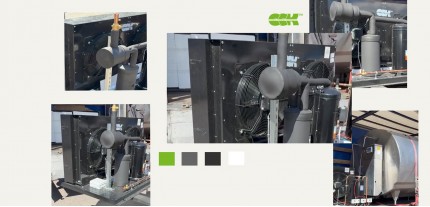
The MAVO.K modular air-cooled units are designed for cooling and condensing refrigerant in closed refrigeration systems. During selection, the design heat load, heat rejection conditions, fan configuration, and available space for installation and maintenance must be taken into account.
Compressor and Refrigeration Circuit Operation
Compressor service life is affected not only by operating time, but also by the condition of the refrigerant at the compressor inlet, oil return, and discharge temperature.
Liquid refrigerant returning to the compressor can dilute the oil, impair bearing lubrication, and create a risk of liquid slugging. Prolonged liquid return and repeated flooded starts reduce oil viscosity and accelerate wear of the compressor's operating components.
To prevent such operating conditions, the following must be checked:
refrigerant superheat at the suction line;
settings of the thermostatic expansion valve or electronic expansion valve;
defrost operation;
protection against refrigerant migration during shutdown;
oil return under minimum-load conditions;
compliance of pipe diameters and configuration with the compressor manufacturer's requirements;
the need for a liquid receiver and crankcase heater.
Permissible values for superheat, discharge temperature, and cycle duration depend on the compressor type, refrigerant, and specific model. Universal values must not be used without checking the technical documentation.
Heat Rejection and Condenser Condition
Insufficient heat rejection leads to an increase in condensing temperature and pressure. This increases the load on the compressor, power consumption, and the likelihood of high-pressure protection being activated.
The operation of an air-cooled condenser is affected by:
fouling of the finned surface;
fan shutdown or reduced fan performance;
obstruction of the air intake;
recirculation of heated air;
insufficient installation clearances;
high outdoor air temperature;
incorrect fan speed control.
The equipment should be positioned so that the discharged heated air does not return to the condenser inlet. When installing multiple units, the mutual influence of airflow patterns must be taken into account, and sufficient access to the heat exchangers must be provided for maintenance.
Power Supply, Current, and Control System
Power consumption cannot be used as an independent indicator of efficiency or reliability. During equipment selection, the rated and maximum operating current, starting characteristics, supply voltage, permissible deviations, and requirements for protective devices are checked.
During operation, the following parameters are monitored:
current in each phase;
voltage imbalance;
number of compressor starts;
activation of thermal protection;
winding or discharge temperature, if the corresponding sensors are provided;
operation of contactors, variable frequency drives, and soft starters.
The control system must not only maintain the specified temperature but also prevent hazardous operating conditions. Refrigeration systems use protection against high and low pressure, compressor overload, phase faults, heat exchanger freezing, and insufficient heat-transfer fluid flow. The exact set of protection functions is determined by the system configuration.
The CCK TM control systems range includes control systems, variable frequency drives, temperature sensors, speed controllers, and soft starters. Their application must be specified in the project and coordinated with the characteristics of the specific refrigeration equipment.
Installation and Commissioning
Even a correctly selected unit requires inspection after installation. Before the equipment is put into operation, it is necessary to:
Check the unit's placement and ensure unobstructed airflow through the heat exchanger.
Check the diameter, length, and configuration of the piping.
Perform a leak test of the circuit.
Evacuate the system and remove moisture from the circuit.
Charge the system with the refrigerant specified by the manufacturer in the quantity indicated in the technical documentation, with adjustment for the actual length and volume of the refrigeration piping if such adjustment is specified by the manufacturer.
Check the power supply, fan rotation direction, and protection settings.
Configure the capacity control algorithm and minimum intervals between starts.
Record the operating parameters under stable load conditions.
The commissioning report should preferably include suction and discharge pressures, temperatures, superheat, subcooling, current in each phase, airflow or liquid flow rate, and the actual temperature difference across the heat exchanger. These data provide a baseline for subsequent diagnostics.
Technical Maintenance Based on Operating Parameters
The maintenance schedule should take operating conditions into account rather than relying solely on a fixed calendar interval. At industrial facilities, the rate at which condensers and evaporators become contaminated depends on air dust levels, equipment location, and operating time. Therefore, the condition of heat exchangers, fans, and bearings should be assessed based on the actual system load.
During maintenance, the refrigeration circuit is checked for leaks, operating pressures and temperatures are measured, refrigerant superheat and subcooling are checked, and compressor and fan current is monitored. If the equipment design includes oil monitoring, its level and condition are also assessed. At the same time, power connections are inspected, sensor accuracy is checked, and the fault history and number of compressor starts are analyzed.
Changes in operating parameters can help detect a malfunction before an emergency shutdown occurs. For example, an increase in condensing pressure at a constant outdoor air temperature may be associated with a fouled heat exchanger, insufficient airflow, or fan malfunction. Repeated activation of protection devices requires diagnostics of the refrigeration circuit, power supply, and control system. Safety setpoints must not be changed without identifying the cause of the shutdowns.
What Data Is Required for Equipment Selection
For a technically justified equipment selection, the purpose of the system, required cooling capacity, minimum and maximum load, and the temperature of the cooled medium at the inlet and outlet must first be determined. The design outdoor temperatures, air or heat-transfer fluid parameters, equipment operating mode, and daily operating duration must also be taken into account.
When selecting a specific model, it is also necessary to know the length of the refrigeration piping and elevation difference, the characteristics of the available power supply, noise-level requirements, and the need for capacity redundancy. The method of supervisory control, installation location, and access to the main components for maintenance must also be agreed upon.
The final selection is made based on the operating point, system design, and technical passport data. This approach helps prevent equipment overload, frequent cycling, and operation outside the permissible operating range.
Conclusion
The reliability of refrigeration equipment is established at every stage, from load calculation and system configuration selection to installation, control system setup, and maintenance. Nominal capacity, low power consumption, or the presence of individual protection functions alone do not guarantee stable operation.
When selecting CCK TM equipment, the characteristics of the specific series must be matched with the calculated parameters of the facility, the operating range must be verified, and the requirements for capacity control, redundancy, and service access must be determined in advance. The equipment's compliance with actual operating conditions is what determines its service life and the stability of the entire cooling system.
FAQ
Can refrigeration equipment be selected based on the floor area of a room?
The floor area or room volume can be used only for a preliminary assessment. The selection of refrigeration equipment must take into account heat gains, air exchange, process loads, cooling mode, and the required time to reach the specified temperature.
Is a cooling capacity margin required?
A capacity margin is determined based on the load characteristics and the accuracy of the input data. An unjustified increase in capacity may lead to frequent compressor starts and unstable operation under minimum load.
What is more important for reliability: the compressor or the control system?
Reliability depends on their combined operation. The compressor must operate within its permissible range, while the control system must prevent operation under hazardous pressure, temperature, or current conditions, as well as insufficient airflow or heat-transfer fluid flow.
Does a two-circuit configuration improve reliability?
Two independent refrigeration circuits allow capacity to be controlled in stages and, with an appropriate control configuration, can maintain part of the system capacity if one circuit shuts down. At the same time, the number of components requiring monitoring and maintenance increases.
How can you tell that the equipment has been selected incorrectly?
Typical signs include frequent starts and stops, prolonged operation without reaching the specified temperature, repeated activation of protection devices, increased condensing pressure, and compressor operation outside its permitted operating envelope.