


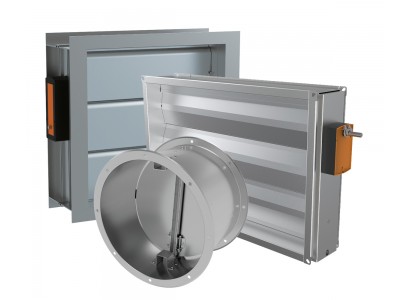
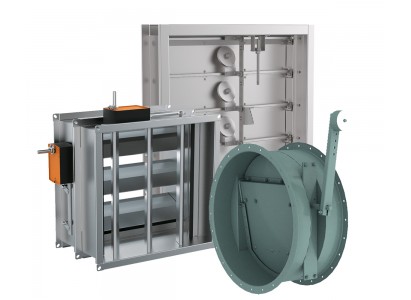
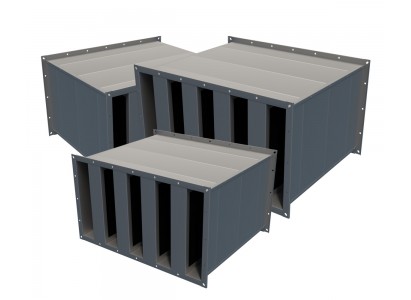
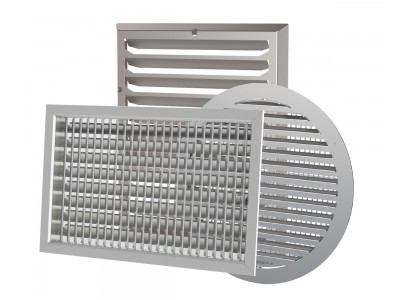
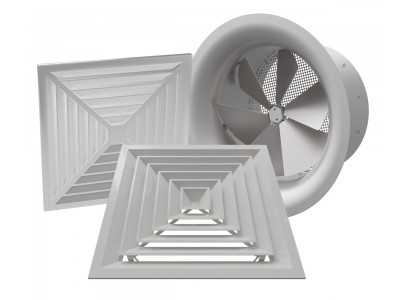
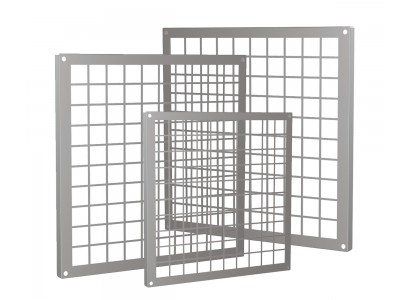
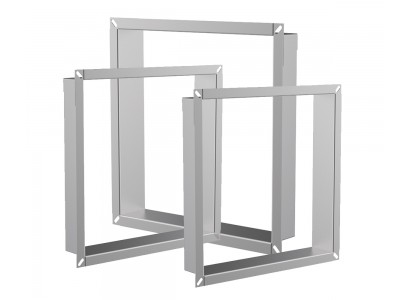
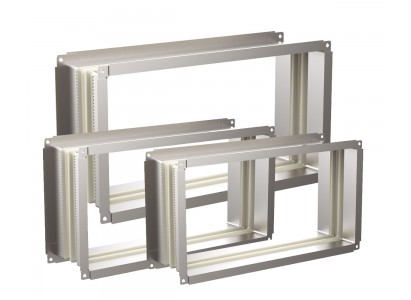
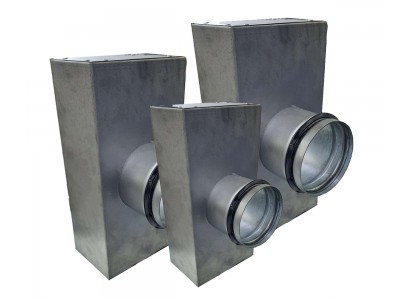
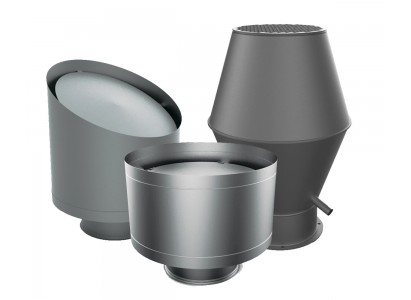
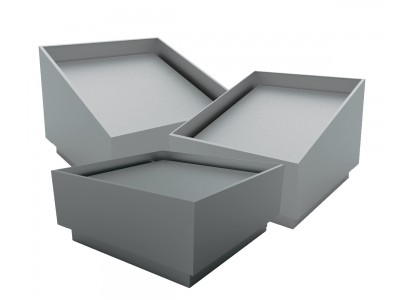
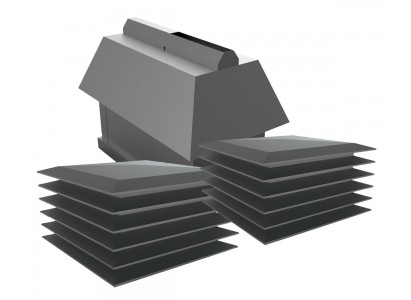
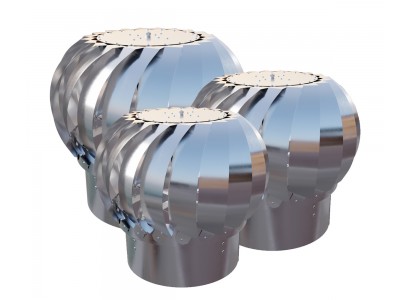
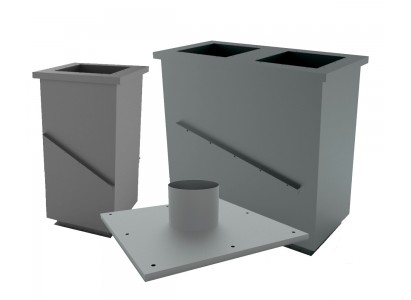
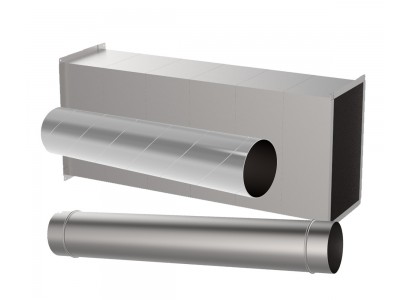
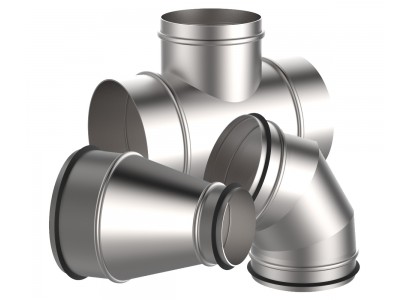
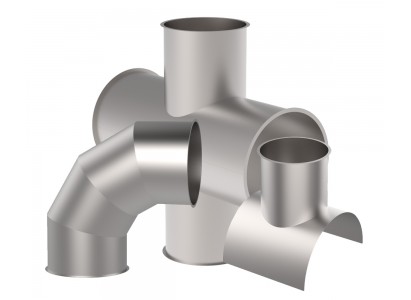
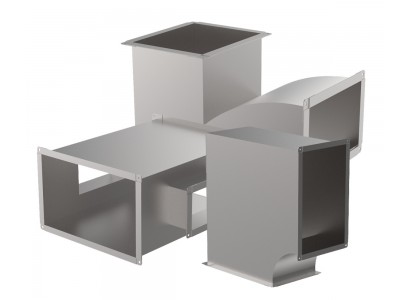
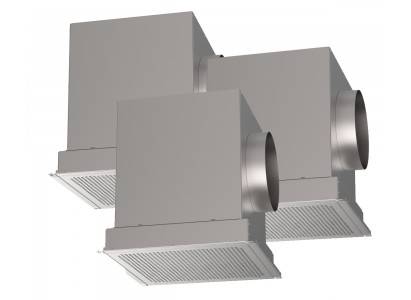
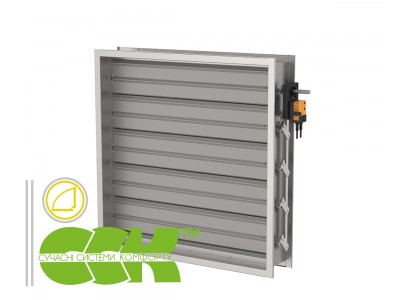
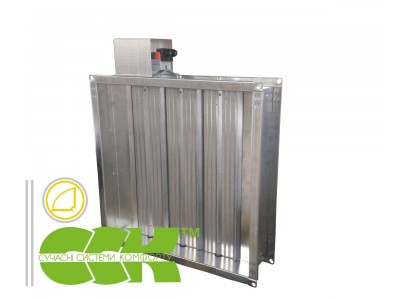
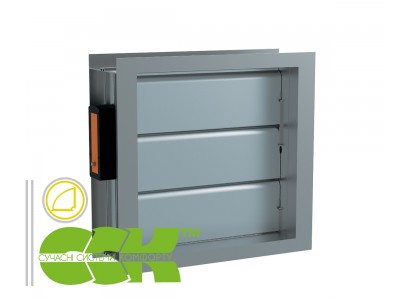
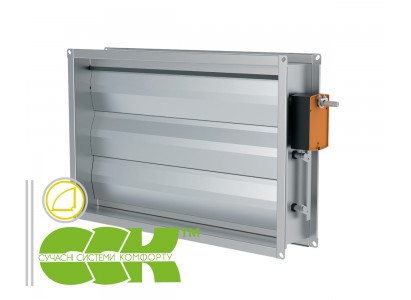
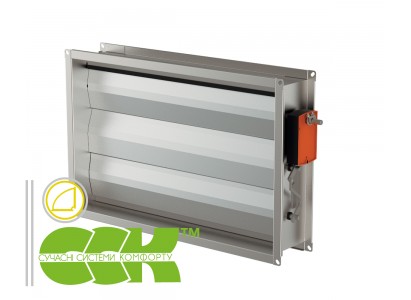
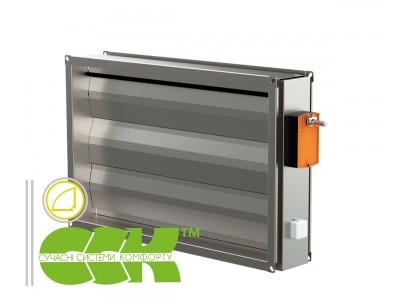
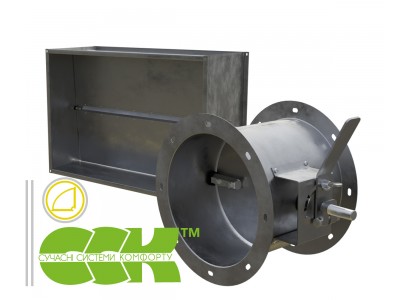

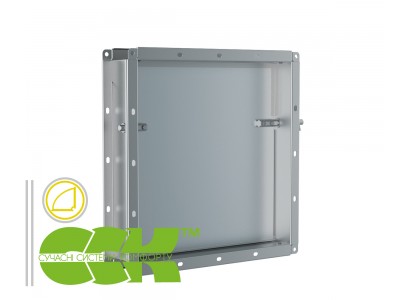
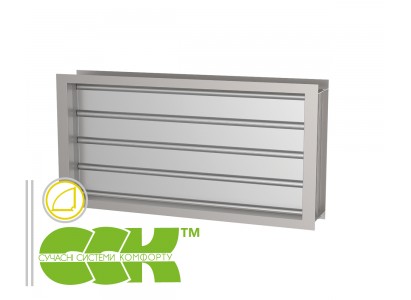
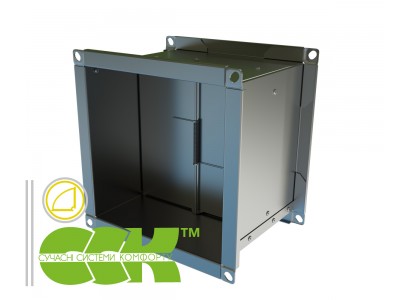
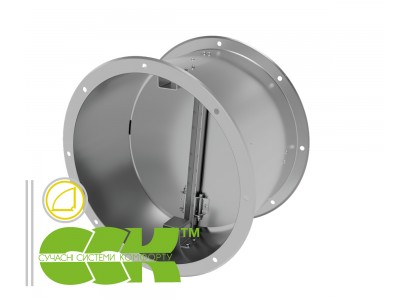
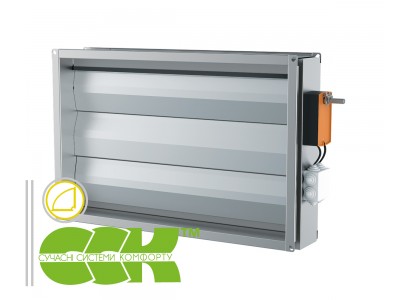
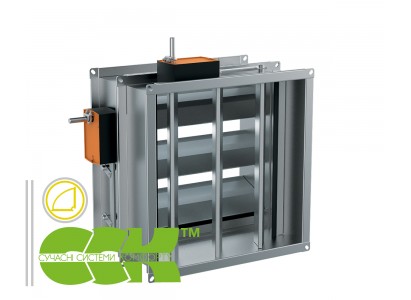
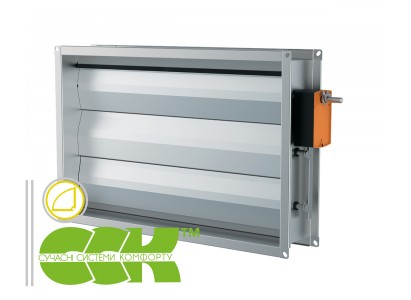
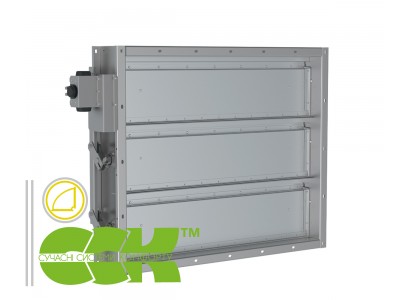
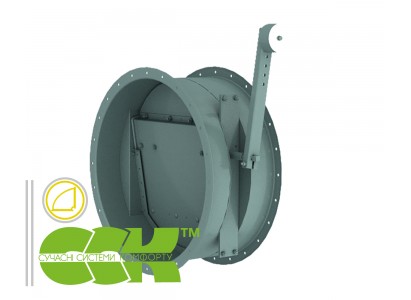
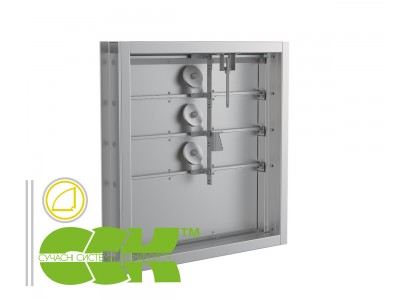
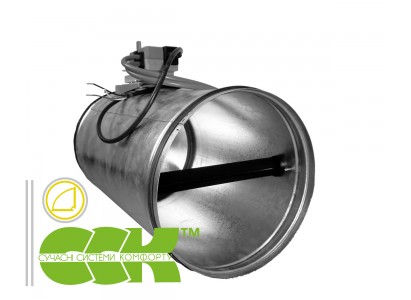
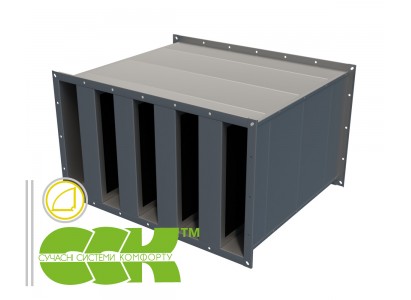
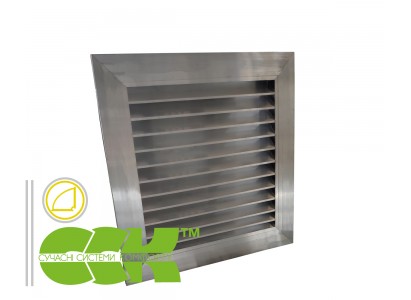
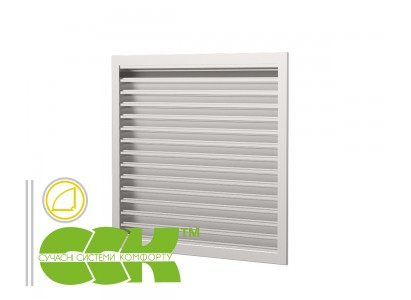
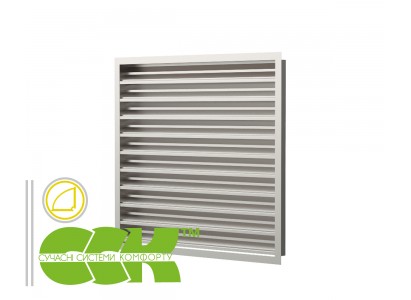
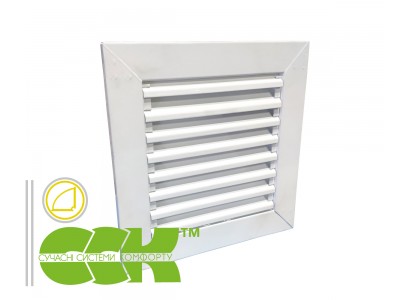

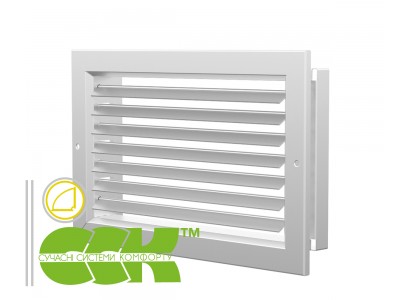
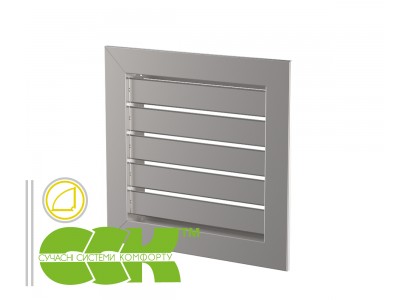
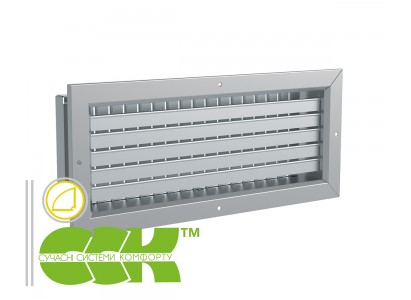
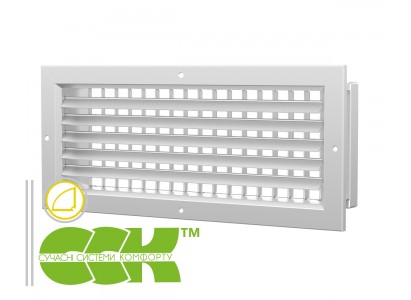
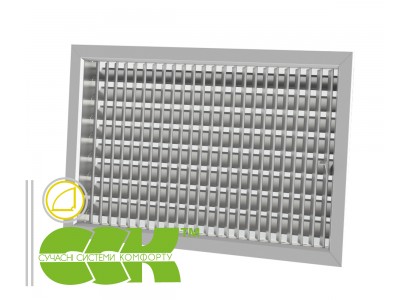
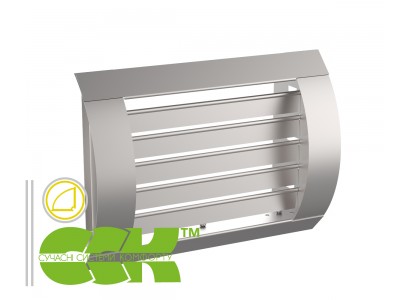
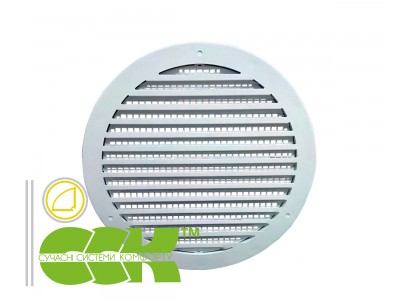
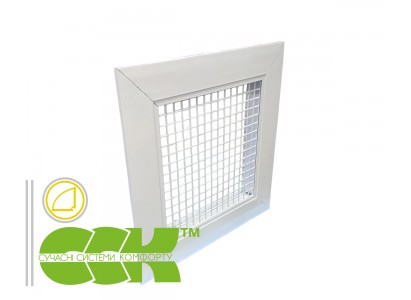
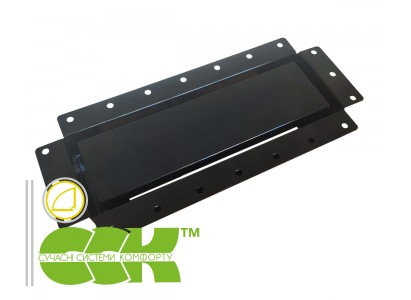
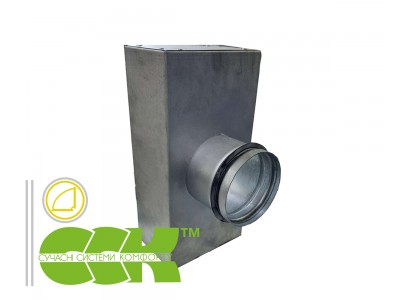
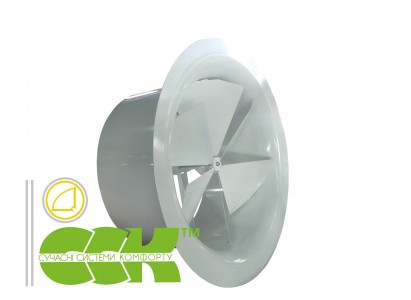
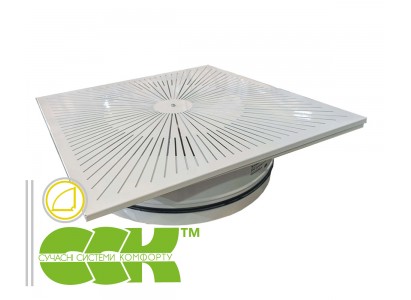
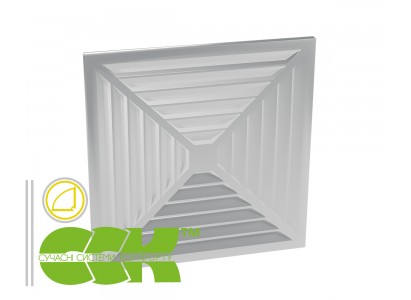
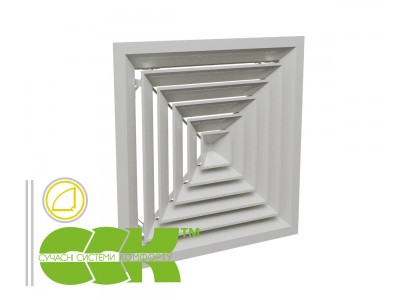
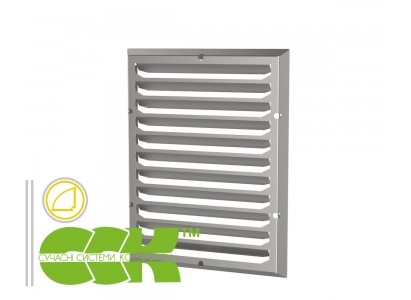
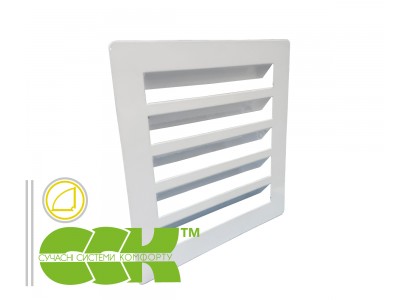
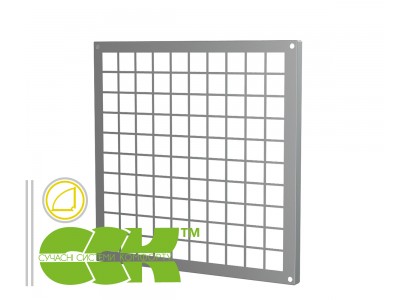
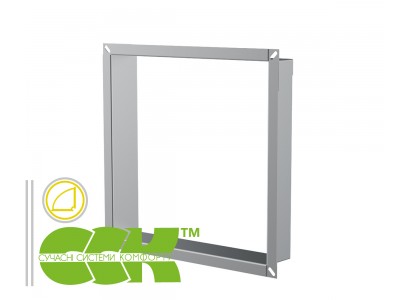
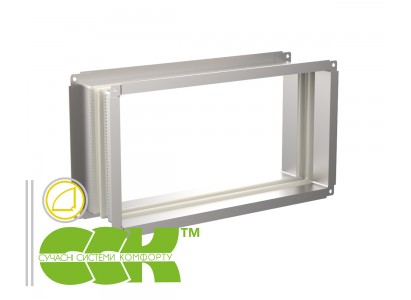

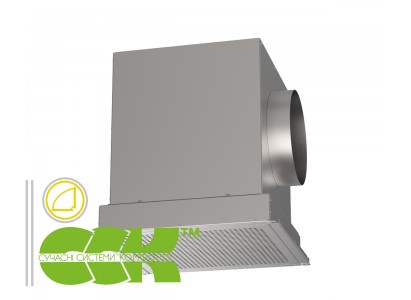
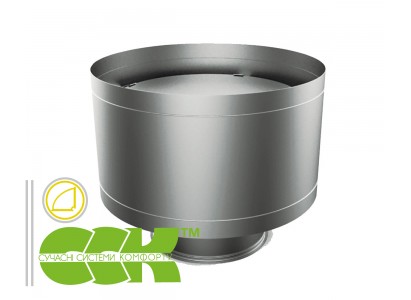
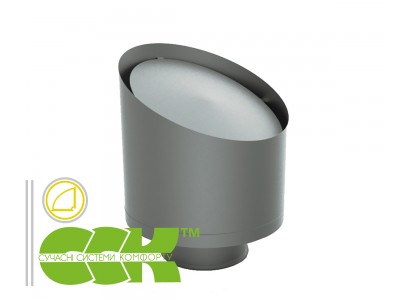
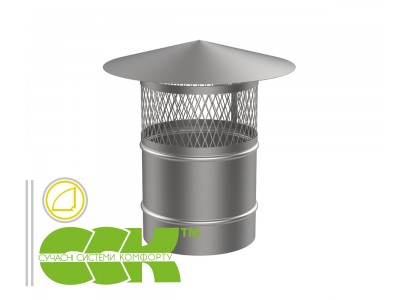
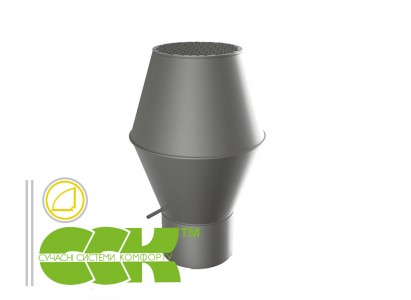
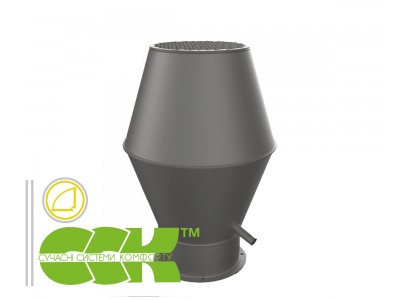
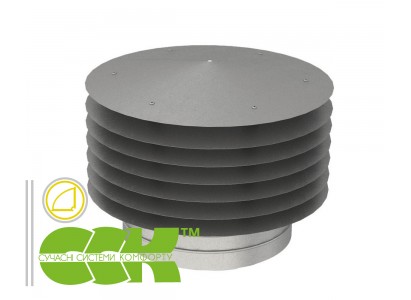
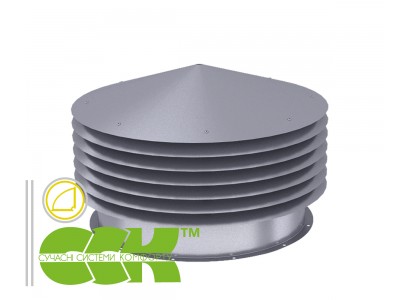
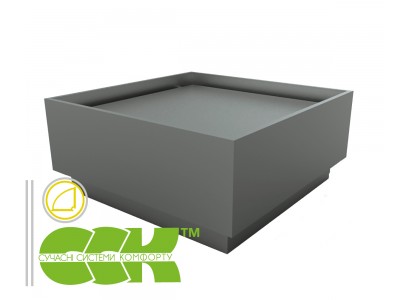
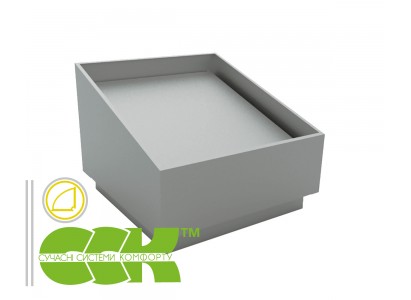
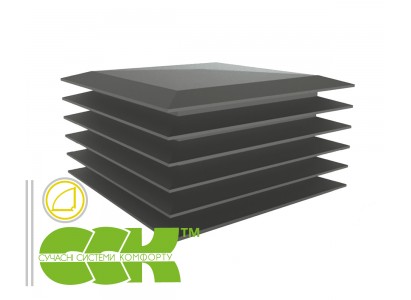
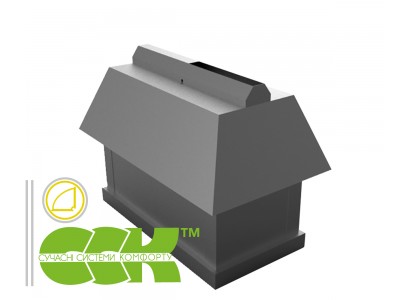
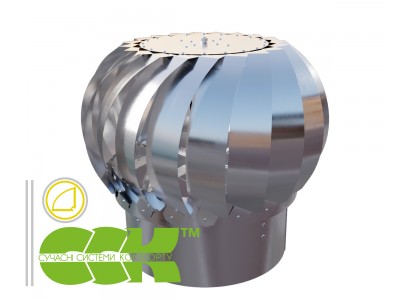
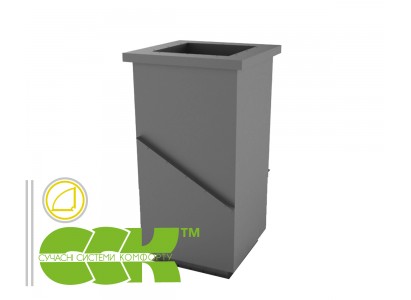
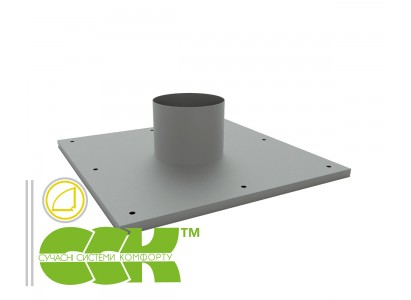
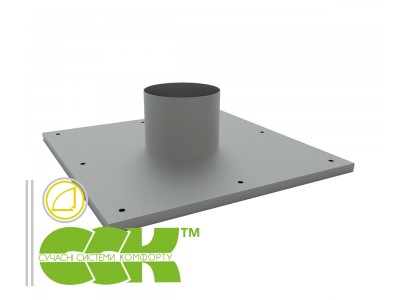
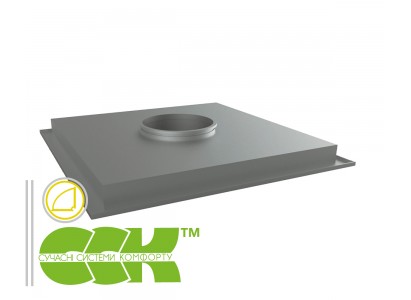
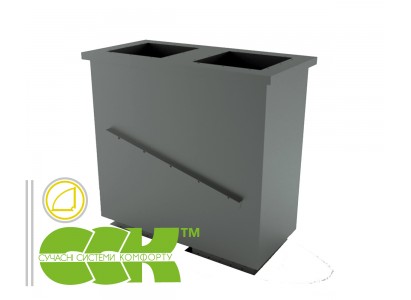
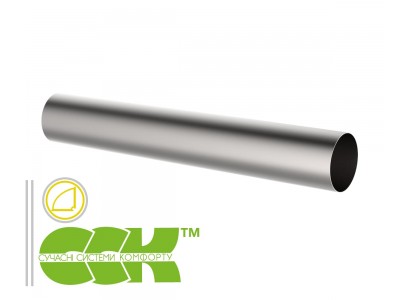
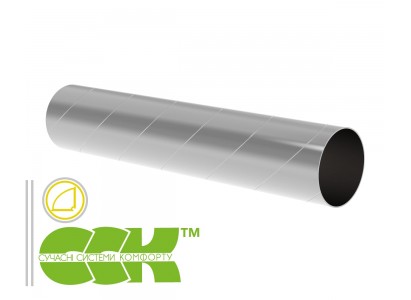
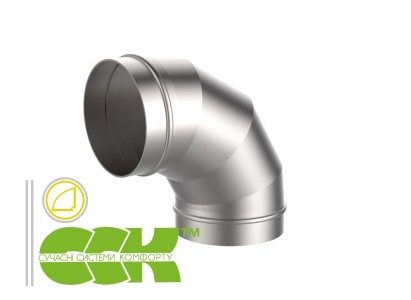
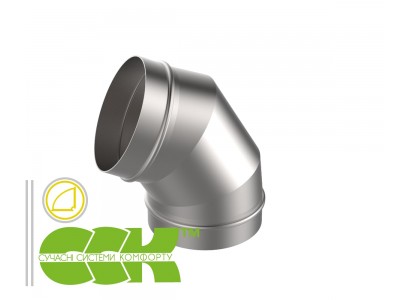
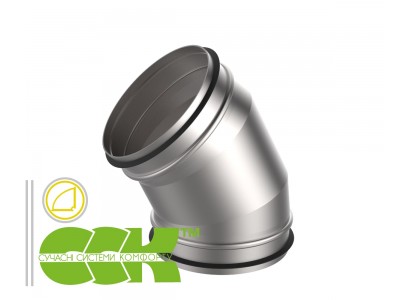



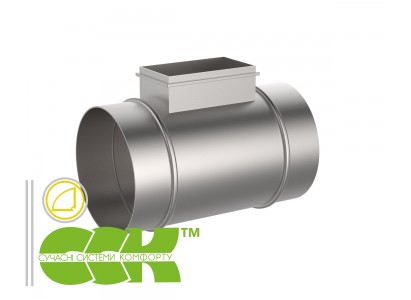
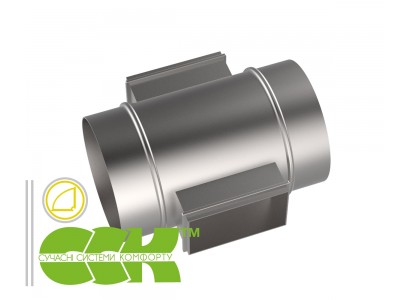
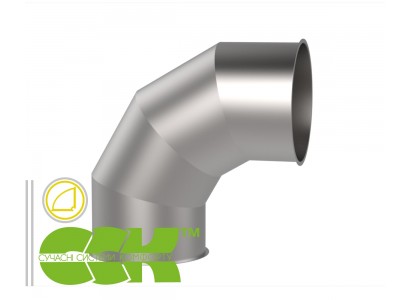
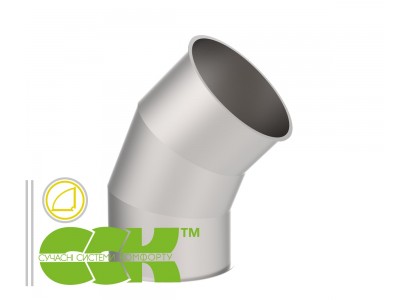
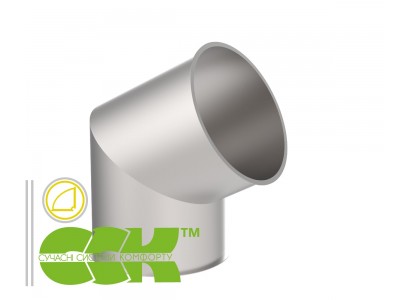
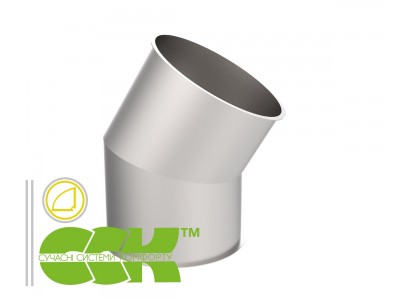
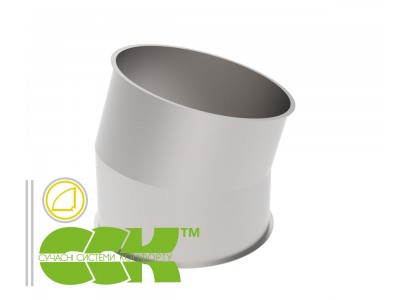
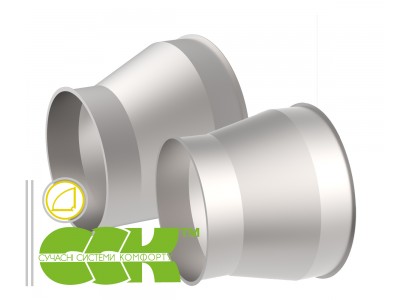
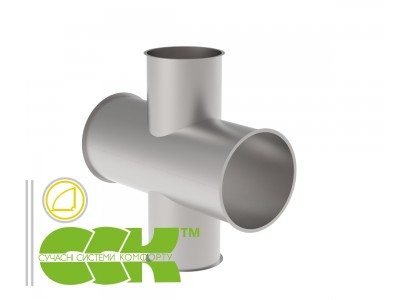
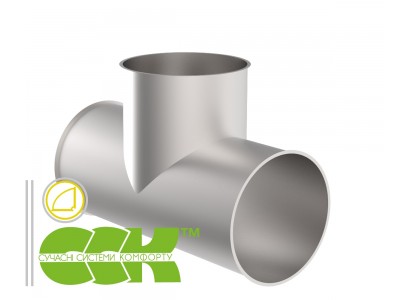
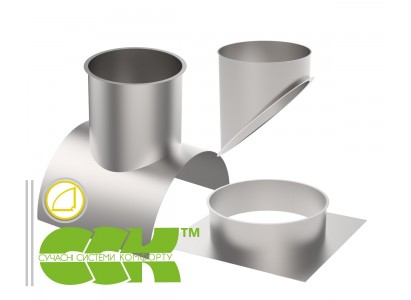
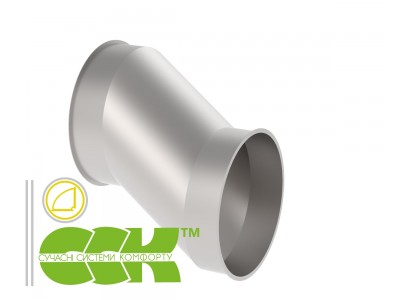
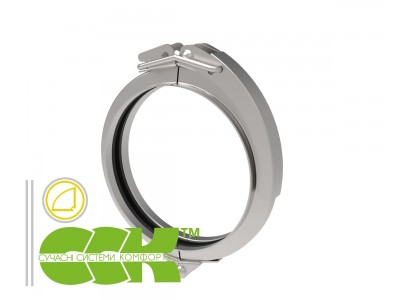
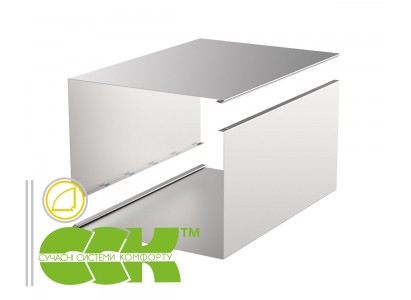
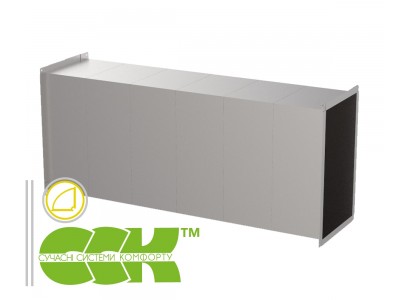
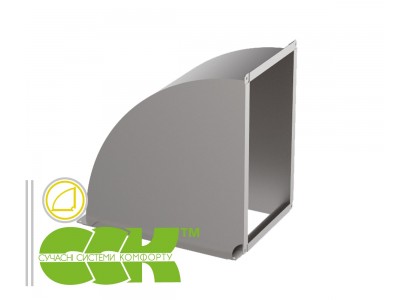
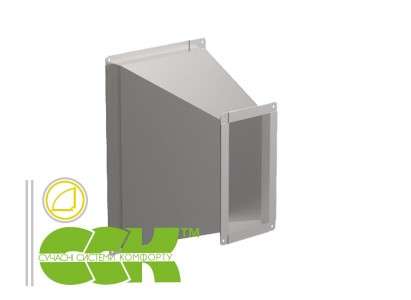
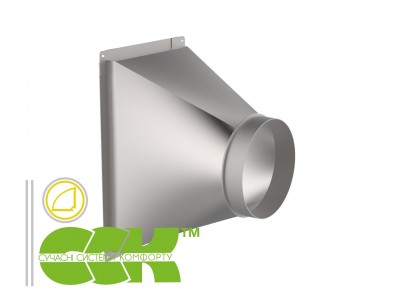
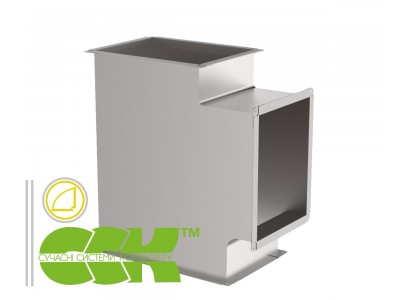
Additional ventilation equipment includes air ducts, fittings, dampers, grilles, diffusers, roof elements, flexible connectors and mounting components. They connect equipment, direct airflow, regulate air volume and protect the ventilation network from precipitation. High-quality ventilation components help reduce pressure losses, noise and the risk of air leakage through poorly sealed joints. Therefore, ventilation equipment should be selected according to the project requirements, system capacity and operating conditions.
Everything for Ventilation: What Components Are Used in Ventilation Systems?
To assemble a complete ventilation system for a commercial or industrial facility, you need not only fans but also air ducts, fittings, dampers and mounting components. They are selected according to the project, system capacity and installation conditions. Compatible components ensure network tightness, stable airflow and convenient maintenance.
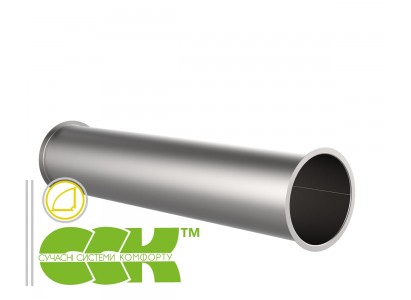
- Air ducts. Round or rectangular ventilation ducts form the main route of the ventilation system.
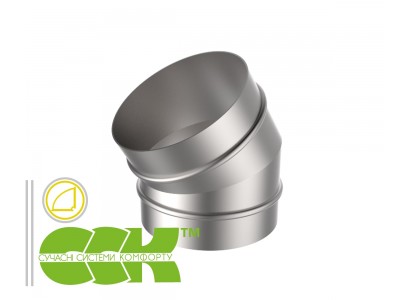
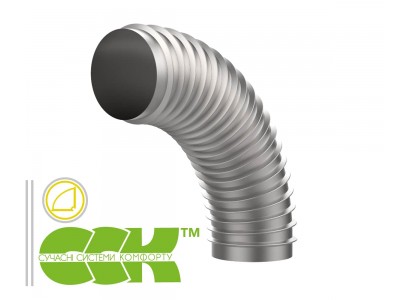
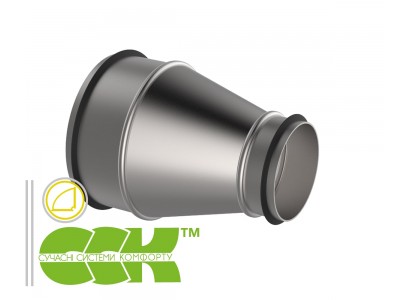
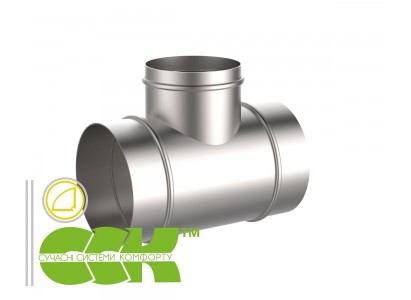
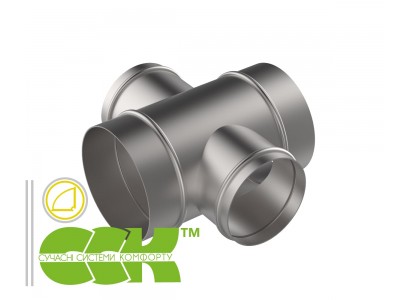
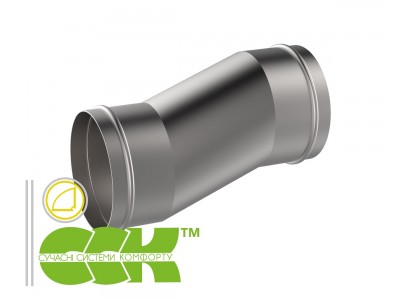
- Fittings. Elbows change the direction of airflow, while tees, branch connections and reducers create branches within the network. When purchasing ventilation ducts and elbows, it is important to consider the configuration of the entire system.
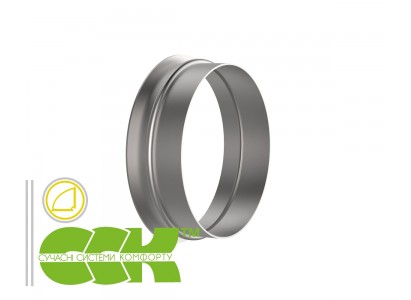
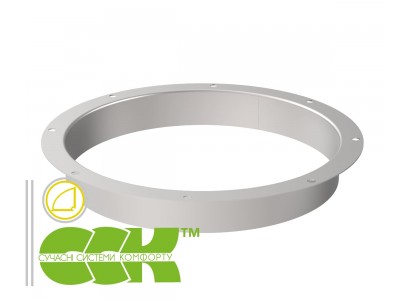
- Mounting components. Couplings, nipples, flanges, clamps and other ventilation components are used to connect and secure individual sections of the system.
- Air regulation and distribution. Dampers control airflow, while grilles and diffusers supply or extract air from the premises.
- Complete system equipment. Ventilation duct components, tees and elbows must be compatible with each other. Additional equipment can also include Supply and Exhaust Units and Duct Ventilation Equipment.
How to Choose Additional Ventilation Equipment Correctly
Additional equipment should be selected according to the parameters of a specific ventilation network rather than solely by the diameter or shape of individual components. It is important to consider the system capacity, operating conditions, material and connection method. Incorrect dimensions or configuration may cause excessive noise, pressure losses and installation difficulties. Therefore, selection should be carried out systematically, based on the project documentation and technical requirements.
1. Determine the system parameters. Consider the required airflow rate, air velocity, permissible pressure losses, duct route length and the number of bends. For rectangular components, the ventilation duct cross-section is specified by its width and height.
2. Choose the appropriate material. The material should be selected according to temperature, humidity, dust levels and the purpose of the ventilation network. Galvanized steel has a rigid construction and a corrosion-resistant surface, which makes it widely used in general ventilation systems.
3. Check the metal thickness and manufacturing quality. They must correspond to the dimensions and loads acting on the component. The price of galvanized ventilation ducts depends on the cross-section, length, metal thickness, design complexity, connection type and order volume.
4. Check the compatibility of all system components. Ventilation system components must be compatible in terms of shape, dimensions and connection method. Joints should remain airtight, while mounting components must support the weight of the air ducts without deformation.
5. Consider the operating conditions. For outdoor installation, resistance to precipitation, wind and temperature fluctuations is important. For industrial premises, the composition of the air, dust concentration and operating mode of the system should also be taken into account.
6. Consider non-standard solutions. If standard components do not correspond to the drawings or installation conditions, galvanized ventilation ducts can be manufactured to individual dimensions.
7. Check the project before ordering. Before purchasing ventilation components, check connection dimensions, airflow direction, the number of transitions and the accessibility of system components for maintenance.
Why Buy Additional Ventilation Equipment from CCK TM?
CCK TM offers equipment for creating complete ventilation networks — from air ducts and fittings to air-regulating, air-distribution and roof-mounted components. In-house manufacturing allows the company to control materials, component geometry and compliance with the technical specifications.
Customers can receive advice on component compatibility, the required duct cross-section and system configuration. If required, non-standard components can be manufactured according to drawings and project parameters. This is particularly important when installing ventilation systems in confined spaces or connecting equipment with different dimensions.
To buy ventilation components, provide specialists with a list of required items, a system diagram or technical specifications. Preliminary coordination of technical parameters reduces the risk of installation errors, while ordering components as a complete package simplifies supply and logistics. CCK TM provides prompt order processing and product delivery.
FAQ
What ventilation components are most commonly required?
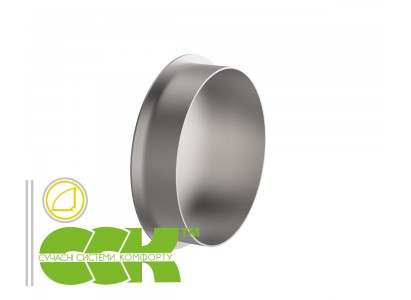
The most commonly used components include air ducts, elbows, tees, transitions, couplings, dampers, grilles, diffusers, end caps and mounting components. The exact set depends on the ventilation system design.
How do you determine the required ventilation duct cross-section?
The required cross-section is calculated based on the required airflow rate and permissible air velocity, taking into account pressure losses, noise levels and available installation space.
What determines the price of galvanized ventilation ducts?
The cost depends on the cross-sectional shape and dimensions, metal thickness, length, connection type, manufacturing complexity and order quantity.
Can ventilation ducts be manufactured to custom dimensions?
Yes. Components can be manufactured according to drawings or agreed parameters when standard dimensions do not meet the project requirements.
What are the advantages of galvanized ventilation components?
They have a rigid construction, maintain their geometry, are convenient for assembling air duct systems and are protected against corrosion by a zinc coating under appropriate operating conditions.